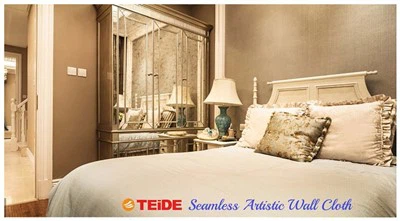
Yo, what's up everyone? I'm a supplier of [link text="Printed Vinyl Wallpaper" url="/wallcovering/vinyl-wallcovering/printed-vinyl-wallpaper.html"], and today I wanna talk about how this amazing stuff handles humidity.
First off, let's get into what printed vinyl wallpaper is. It's basically a type of wallcovering made with a vinyl layer on top of a backing material. The vinyl layer is where the cool prints and designs come from, and the backing gives it strength and stability. This combination makes it a popular choice for both residential and commercial spaces.
Now, humidity can be a real pain in the you-know-what when it comes to wall coverings. High humidity levels can cause all sorts of problems like peeling, mold growth, and discoloration. But the good news is that printed vinyl wallpaper is pretty tough when it comes to dealing with moisture.
One of the main reasons printed vinyl wallpaper holds up well in humid conditions is the vinyl itself. Vinyl is a synthetic material that's naturally resistant to water and moisture. It forms a protective barrier on the wall, preventing water vapor from seeping in and causing damage. This means that even in areas with high humidity, like bathrooms or kitchens, the wallpaper is less likely to peel or get moldy.
Another factor that helps printed vinyl wallpaper handle humidity is the backing material. Most printed vinyl wallpapers use a backing made of materials like non-woven fabric or paper. These materials are designed to be breathable, which means they allow moisture to pass through them without getting trapped. This helps to prevent the buildup of moisture between the wallpaper and the wall, reducing the risk of mold and mildew growth.
Let's take a closer look at some of the different types of printed vinyl wallpaper and how they handle humidity:
Non-Woven Vinyl Wallcovering
[link text="Non-Woven Vinyl Wallcovering" url="/wallcovering/vinyl-wallcovering/non-woven-vinyl-wallcovering.html"] is a popular choice for high-humidity areas. The non-woven backing is highly breathable, allowing moisture to escape easily. This makes it less likely to develop mold or mildew. Plus, the vinyl layer provides a durable, waterproof surface that can withstand splashes and spills. Whether you're putting it up in a bathroom or a laundry room, non-woven vinyl wallcovering is a great option.
Seamless Fabric-Backed Vinyl Wallcovering
If you're looking for a more luxurious option, [link text="Seamless Fabric-Backed Vinyl Wallcovering" url="/wallcovering/vinyl-wallcovering/seamless-fabric-backed-vinyl-wallcovering.html"] might be the way to go. The fabric backing gives it a soft, textured look and feel, while the vinyl layer provides the moisture resistance. The seamless design also helps to prevent water from seeping in through the seams. It's perfect for areas where you want a high-end look without sacrificing functionality.
Type III Vinyl Wallcovering
[link text="Type III Vinyl Wallcovering" url="/wallcovering/vinyl-wallcovering/type-iii-vinyl-wallcovering.html"] is a heavy-duty option that's designed for commercial use. It's highly resistant to moisture, abrasion, and stains. This makes it ideal for areas with high traffic and humidity, like hotels, restaurants, and hospitals. The thick vinyl layer provides an extra layer of protection against water damage, ensuring that the wallpaper lasts for years to come.


PVC Wallcovering Black
[link text="PVC Wallcovering Black" url="/wallcovering/vinyl-wallcovering/pvc-wallcovering-black.html"] is another option that's great for handling humidity. PVC is a type of vinyl that's known for its durability and resistance to water and chemicals. The black color gives it a sleek, modern look that can work in a variety of settings. Whether you're going for a bold statement or a more subtle look, PVC wallcovering black is a reliable choice.
But it's not just about the type of wallpaper you choose. Proper installation and maintenance are also key to ensuring that your printed vinyl wallpaper can handle humidity. Here are some tips:
- Prepare the wall properly: Make sure the wall is clean, dry, and smooth before installing the wallpaper. Any dirt, grease, or uneven surfaces can prevent the wallpaper from adhering properly, which can lead to peeling and moisture problems.
- Use the right adhesive: Choose an adhesive that's specifically designed for vinyl wallpaper. This will ensure a strong bond and help to prevent moisture from seeping in between the wallpaper and the wall.
- Seal the edges: After installing the wallpaper, use a sealant to seal the edges. This will help to prevent water from getting behind the wallpaper and causing damage.
- Keep the area well-ventilated: Good ventilation is essential in high-humidity areas. Use exhaust fans or open windows to allow fresh air to circulate and reduce the moisture levels in the room.
- Clean regularly: Regular cleaning can help to prevent the buildup of dirt, dust, and moisture on the wallpaper. Use a mild detergent and a soft cloth to wipe down the wallpaper, and avoid using abrasive cleaners or scrubbers.
In conclusion, printed vinyl wallpaper is a great choice for areas with high humidity. Its natural resistance to water and moisture, combined with the breathable backing materials, makes it less likely to peel, mold, or discolor. Whether you're looking for a simple design or a more luxurious option, there's a printed vinyl wallpaper out there that can meet your needs.
If you're interested in purchasing printed vinyl wallpaper for your next project, I'd love to talk to you. We have a wide range of designs and styles to choose from, and our team of experts can help you find the perfect wallpaper for your space. Just reach out, and let's start the conversation!
References
- "Wallcovering: A Practical Guide." Author. Publisher, Year.
- "The Science of Vinyl Wallcoverings." Journal of Building Materials. Volume, Issue, Year.
- "Moisture Management in Interior Design." Book. Author. Publisher, Year.